


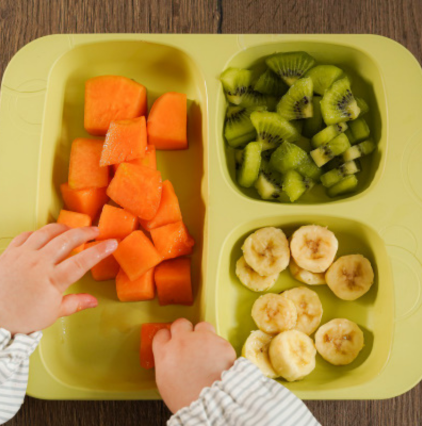
In a world where children’s health and well-being are at the heart of parents’ concerns, the choice of everyday items takes on a crucial role. Among these items, plates intended for babies’ meals are often underestimated, but their impact on health and the environment should not be overlooked.
Pauline Dhedin, an early childhood educator and mum, shares her experience with us!
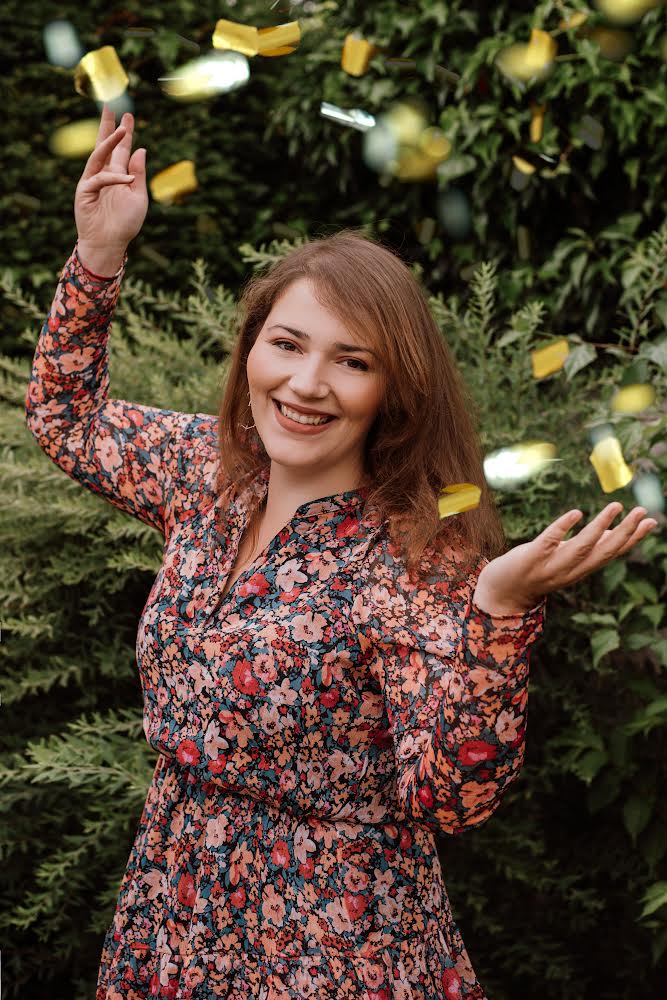
Introduce yourself!
My name is Pauline, and I am an early childhood educator at a micro-nursery called Les Petites Graines.
Les Petites Graines is a network of micro-nurseries that has built its identity over the past ten years around strong and humanistic values, such as kindness towards children, families, and also within the teams. We are committed to responsible and environmentally conscious consumption, in a civic approach that promotes accessibility for all. This includes welcoming children with disabilities, thanks to our various institutional partners.
What made you want to work with children?
I chose this field out of pure vocation. When I think about it, it came to me naturally, as if it were obvious. After getting my high school diploma, I started taking entrance exams for schools. I first obtained my childcare assistant diploma, then, eager to further deepen my skills, I went on to get a diploma as an early childhood educator, which I earned two years ago. This path has allowed me to have a comprehensive view of the early childhood field. Today, I know there is still so much to discover and explore!
What do you like the most about your job?
I am passionate about child development. I find it incredible to understand everything a child is and everything they can become. They have so much to learn, and yet, as adults, we learn a lot from them too. I love planting “little seeds” that, I hope, will help them grow up well. It’s a constantly evolving field, full of learning opportunities, and you never get bored!
Which type of tableware is predominant in nurseries?
Having worked in several types of early childhood settings, I have often seen plastic containers because the priority was often that “nothing breaks.”
But at Les Petites Graines, we take this matter very seriously. We quickly understood the impact of inappropriate tableware on toddlers. So, we tested various shapes and materials, such as porcelain, stainless steel, plant-based materials, and even glass.
What are the dangers of petrol-based plastic?
The problem with plastic containers is that with degradation, heat, and wear, plastic microparticles are released and ingested by children. We all know that the substances contained in petrol-based plastic are very harmful to the human body, particularly as they can cause endocrine problems. These impacts can seriously affect a child’s development. Not to mention the environmental pollution associated with a material that is not biodegradable.
Which materials do you recommend to guard against these risks?
As a mum and a professional, I recommend containers made of porcelain, glass, or plant-based materials. These materials make me feel safer. I am much more afraid of the effects of chemicals on health than of a small cut if a glass or plate breaks.
When my son was one or one and a half years old and going through a phase where he would throw everything on the floor, I used dishes made of natural materials, like plant-based plates or food-grade silicone, to avoid too much breakage. As he grew, he was able to use a small area set up with a table and chair at his height, a tray, and suitable dishes to imitate the adults. It always went well. We often underestimate their abilities when our adult fears take over. We need to trust them!
What advice would you give to nurseries for integrating more natural solutions?
I would recommend first discussing as a team what mealtime is, and how to optimise it based on the group of children and the resources available. Renewing the tableware is great, but the use of certain utensils needs to be carefully considered. For example, attention should be paid to the width of the spoons, the grip for older children, and it is better to choose cups with straws rather than spouts to avoid affecting tongue and jaw movement. Then, it is relevant to turn to eco-friendly brands offering tableware made from plant-based materials, which are healthy and durable.
How can divided dishes help with healthy eating habits?
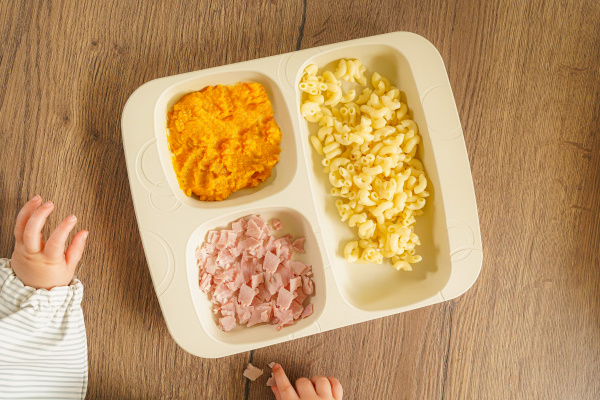
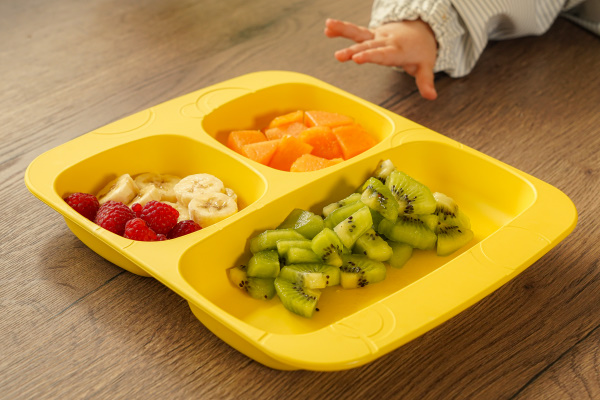
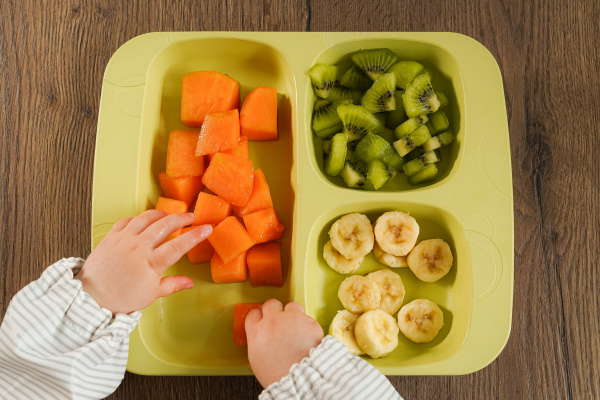
At Les Petites Graines, we present all the food on a small tray at the same time. If the child starts with dessert, that’s OK! It stimulates their appetite and allows them to better manage their fullness. Not mixing the foods helps the child appreciate each flavour and discover their preferences. In short, divided plates, we APPROVE!
What effect do colours have on babies?
The choice of colours is essential:
- Blue: suppresses appetite
- Bright colours: exciting
- Yellow, orange: stimulate the appetite
- Soft, pastel colours: relaxing and soothing
Do you have a story about the effects of well-designed tableware?
I remember a little girl with an oral sensory disorder. Thanks to the tray presentation, she started tasting banana, a first for her! It was a beautiful moment of pride for the team and the parents.
What do you like about the Etel plates?
Etel plates meet the needs of children and align with our values of sustainable development. They are fun, with suitable edges, soothing colours, and perfectly fit our eco-friendly commitment. I recommend them to professionals and parents who want to offer a healthier way to serve meals.
Any advice to give to TABLE & NATURE for other healthy products for children’s food?
A larger Etel plate with more compartments, like a cafeteria tray, would be perfect for kids to have everything in one container, ideal for our supervised self-service practices. And why not matching cutlery to go with our meals?